Is Treadmill Running Actually Easier Than Running Outside?
Quick Answer: Yes, treadmill running is measurably easier at the same pace because the belt assists your leg turnover and there’s no wind resistance or terrain variation — most runners find a 1% incline roughly matches outdoor effort.
You run a 9-minute mile outside and it feels like real work. Set the treadmill to the same 9-minute pace and it feels almost too easy. That’s not in your head — there’s real physics behind the gap.
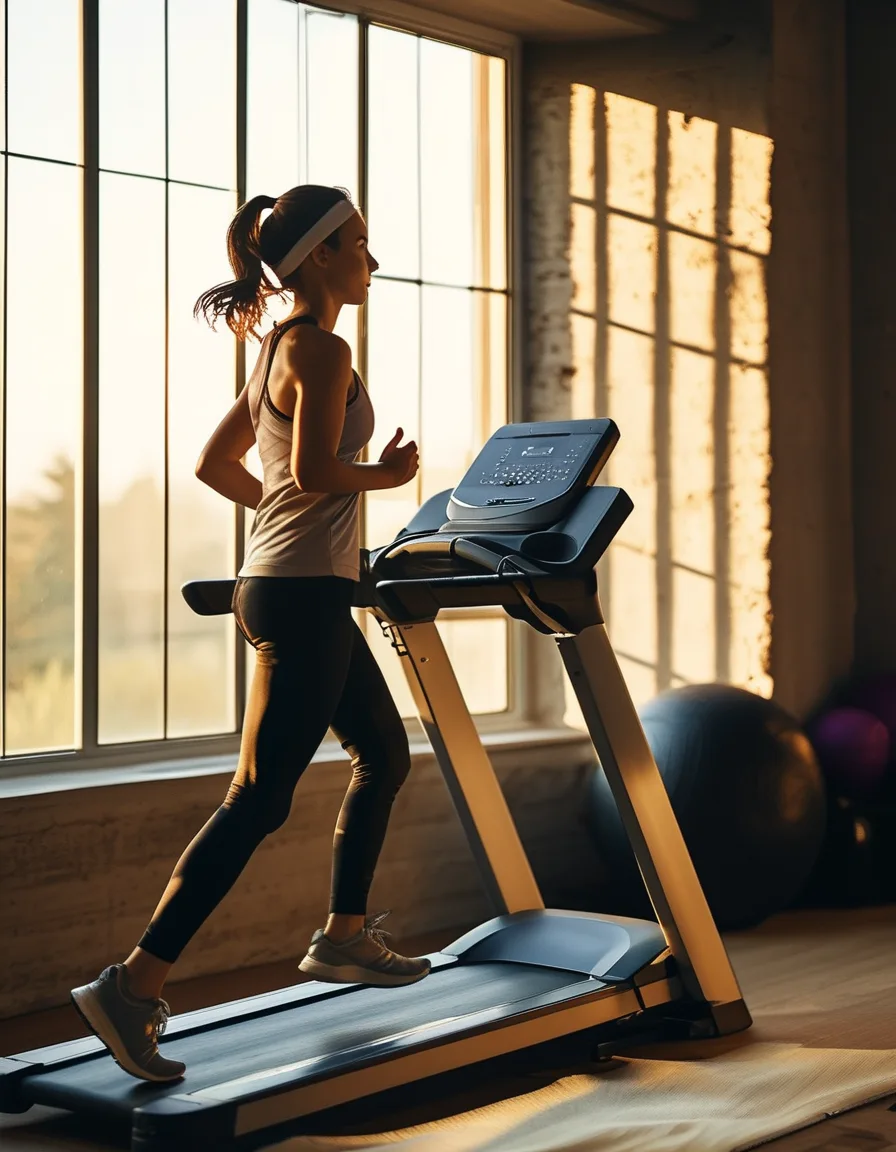
Why does the same pace feel different indoors?
Two mechanical reasons: the moving belt does some of the work of pulling your leg back for the next stride, and there’s zero wind resistance indoors.
Outside, even on a calm day, you’re pushing against air resistance that increases the faster you run. Combined, these two factors add up to a noticeably lighter effort on the belt at an identical displayed pace.
Does the 1% incline rule actually work?
It’s a solid approximation, not an exact science. Research-backed guidance suggests setting a 1% incline on the treadmill roughly offsets the lack of wind resistance and terrain variation for most recreational paces.
At faster race paces, wind resistance grows disproportionately, so competitive runners training for outdoor races sometimes bump to 1.5-2% to better match true effort.

What Nobody Tells You About Treadmill Pacing
Here’s the part that surprises people: treadmill pace doesn’t translate directly to outdoor race performance, even with the incline trick.
Outdoor running also demands constant micro-adjustments — for camber, surface texture, turns, other people — that a flat, consistent belt never asks of your stabilizer muscles. That’s a big reason someone can nail a treadmill tempo run and still feel off-pace on race day. The fix isn’t abandoning the treadmill, it’s treating outdoor long runs as the non-negotiable calibration check, especially in race-prep weeks.
Should you train differently because of this gap?
If you’re training specifically for an outdoor race, keep at least one long run per week outside to build the stabilizer strength and pacing feel a treadmill can’t replicate.
For general fitness or indoor-only training, the treadmill’s easier effort isn’t a problem to fix — it’s just a different, equally valid tool, especially useful for interval precision since pace stays perfectly locked.
FAQ: Treadmill vs Outdoor Running Questions, Answered
Should I always run at 1% incline on the treadmill?
For easy and moderate runs, yes, it’s a reasonable default. For recovery jogs, flat is fine — the extra effort isn’t necessary every session.
Why do I feel like I can run faster on a treadmill than outside?
That’s the assisted belt effect plus no wind resistance — it’s real, not a sign your outdoor fitness is worse.
Can treadmill training alone prepare me for an outdoor race?
Mostly, yes, but blend in weekly outdoor runs in the final 4-6 weeks before race day to recalibrate pacing and terrain adaptation.
TL;DR:
- Treadmill belts assist leg turnover and remove wind resistance — that’s the real gap
- 1% incline is a solid approximation for most recreational paces
- Outdoor running also trains stabilizer muscles a flat belt can’t replicate
- Keep one outdoor run weekly if training for an outdoor race
The easier feeling isn’t a fitness illusion — it’s physics. Use the incline trick, but don’t skip outdoor miles before race day.
Keep Reading
This article is for general informational and styling purposes only. Fit, sizing, and product availability may vary.