Treadmill Questions Everyone Asks When They Move Indoors for Autumn
Quick Answer: Treadmill running is genuinely different from outdoor running, but less so than most people assume. There is no air resistance, the belt provides no wind cooling, and pace feedback is instant rather than averaged - which changes perceived effort more than actual effort. A 1 percent incline broadly compensates for the missing air resistance at typical training paces. Everything else that feels different in the first indoor month is adaptation rather than physiology.
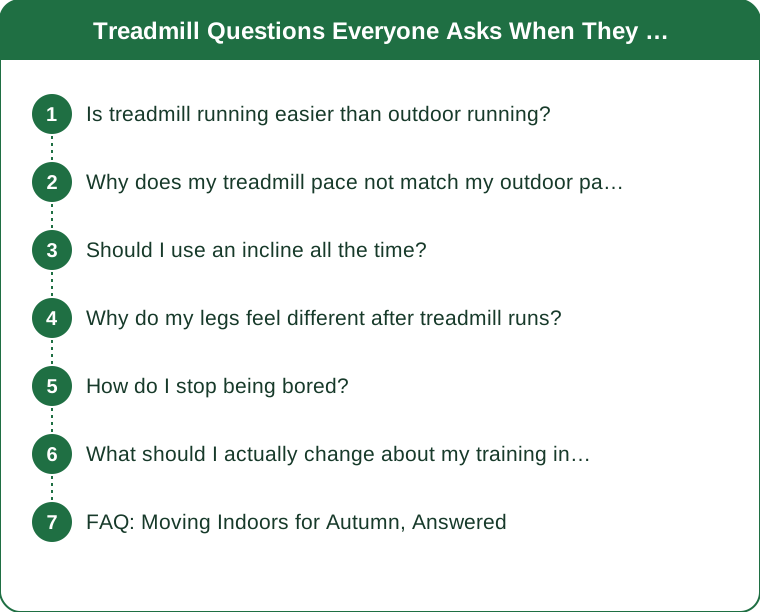
The questions below are the ones that come up in that first month, in the order people ask them.
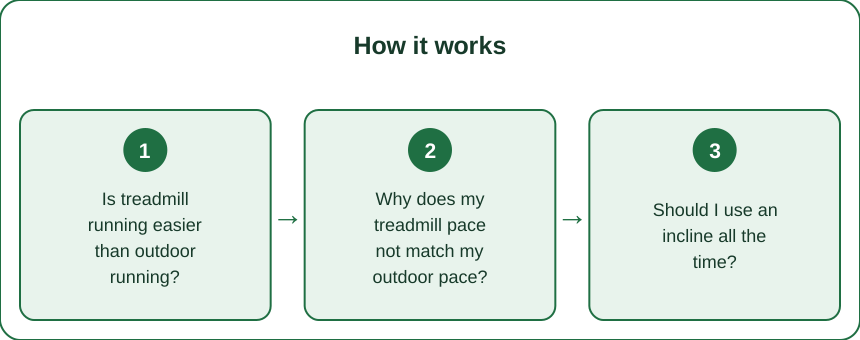
Is treadmill running easier than outdoor running?
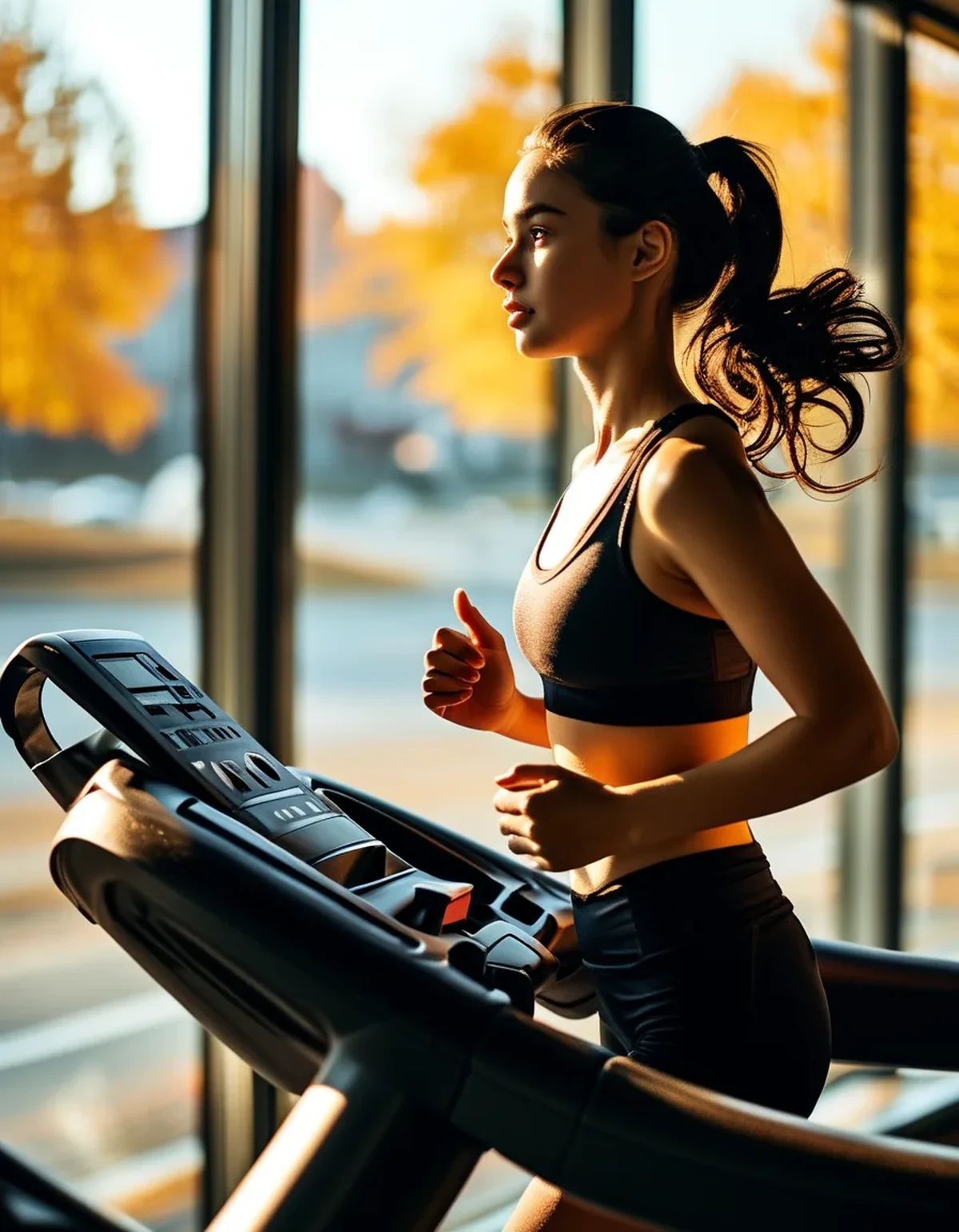
Physiologically it is slightly easier at the same pace, because there is no air resistance to overcome.
The commonly used correction is a 1 percent incline, which broadly compensates at typical training paces and matters less at slower ones.
Perceptually it is often harder, because there is no wind cooling, no changing scenery, and no variation in terrain.
Heat is the underrated factor. Outdoor running generates its own airflow; a treadmill does not, so you run hotter at the same effort.
Which produces the common experience of a treadmill run feeling harder while being mechanically slightly easier, and both impressions are correct.
Use a fan if one is available - it changes the experience more than any setting on the machine.
Choose a machine near ventilation if the gym has no fans, since the difference across a room can be substantial.
And expect the gap to widen as a run gets longer, because heat accumulates rather than staying constant.
Why does my treadmill pace not match my outdoor pace?
Treadmill belt calibration drifts, and machines in the same gym commonly differ from each other.
Older or heavily used machines tend to run slower than displayed, which flatters your pace.
Outdoor GPS pace has its own error, particularly under trees, between buildings, and on winding routes.
Neither number is a ground truth, so comparing them precisely is not a useful exercise.
Train by effort and heart rate indoors and use the treadmill’s pace only for internal consistency.
And use the same machine when you can, which removes most of the variation in one step.
Note the machine number if your gym has several, because a two-week block on one machine gives you comparable data and a block spread across five does not.
Do not rebuild your training zones off a single treadmill session, since one drifted machine can shift every number you set.
Should I use an incline all the time?
A 1 percent incline is the standard adjustment to approximate outdoor effort at typical training paces.
It is not a rule and matters little at easy paces or for general fitness.
Larger inclines change the muscle demand substantially, working more glute and calf, which is useful training and is not the same as flat running.
Sustained steep incline walking is excellent conditioning and is easier on the joints than running for many people.
Zero incline for long periods is very slightly downhill in feel for some machines, which is why some people get calf tightness on flat treadmill runs.
Vary it rather than choosing one number permanently.
Incline intervals are one of the genuinely better uses of a treadmill, since precise repeatable hills are difficult to find outdoors and trivial to set indoors.
Avoid holding the handrails on steep inclines, which removes a large part of the work and changes your posture into something you would never run in.
Why do my legs feel different after treadmill runs?
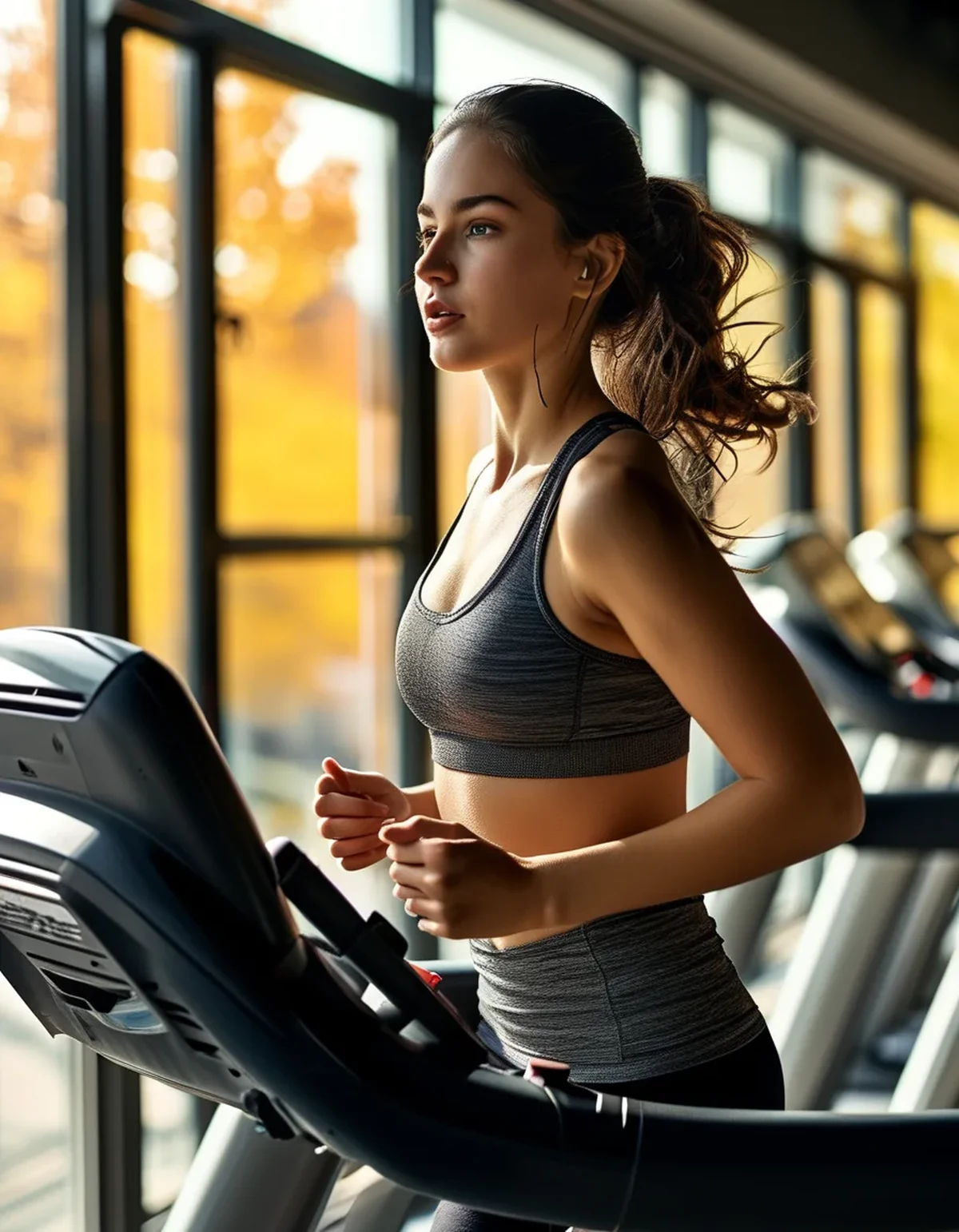
The belt provides a completely uniform surface, so the same tissues are loaded identically with every step.
Outdoor running varies constantly - camber, surface, small direction changes - which distributes load across slightly different structures.
Uniformity is what produces the specific stiffness people report after switching indoors.
The belt also moves under you, which subtly changes the mechanics of the push-off phase compared to propelling yourself over fixed ground.
Varying speed and incline within a session reintroduces some of that variability, which is a good reason to do intervals rather than steady runs indoors.
And keeping one or two outdoor runs a week through winter preserves the variety, which is worth more than any single treadmill setting.
Watch for calf tightness specifically in the first indoor fortnight, since it is the most commonly reported change and responds well to reduced volume plus varied incline.
Running form often changes indoors too, with a shorter stride and higher cadence, which is generally harmless and occasionally the reason something feels different.
How do I stop being bored?
Structure beats entertainment. A session with intervals, changes of pace, or incline blocks passes far faster than a steady run of the same duration.
Cover the display if you watch the clock, which is the single most effective boredom intervention.
Break the run into blocks with something to do in each - a pace change, an incline change, a form focus.
Progressive runs work particularly well indoors, since the treadmill makes precise pace increases easy in a way outdoor running does not.
Treadmills are genuinely better than outdoors for some sessions - controlled progressions, precise intervals, and hill work regardless of local terrain.
And keep indoor runs shorter than your outdoor equivalents during the transition, since tolerance builds over a few weeks.
Music and podcasts help less than structure does, which is worth knowing before you spend an evening building a playlist.
Running with someone on the next machine is unexpectedly effective, and is the one social element indoor running has over a solo road run.
What should I actually change about my training indoors?
Expect perceived effort to be higher for the same pace during the first weeks and pace by effort accordingly.
Add a fan or choose a machine near ventilation, since heat is the main limiter indoors.
Hydrate more than you expect, because indoor sweat losses are often higher than outdoors at the same effort.
Use the treadmill for the sessions it does best - intervals, progressions, and incline work - and keep long easy runs outdoors where possible.
Wear less than you would outdoors, which sounds obvious and is routinely forgotten in autumn.
And if you have any pain that changes with the switch indoors, address it early rather than assuming it will settle. This is general information, not medical advice.
FAQ: Moving Indoors for Autumn, Answered
Is treadmill running easier?
Slightly, physiologically, because there is no air resistance. Perceptually it is often harder because there is no cooling airflow.
Should I always run at 1 percent incline?
It is a reasonable default to approximate outdoor effort at training paces, but it is not a rule and matters less at easy paces.
Why is my treadmill pace faster than my outdoor pace?
Belt calibration drift, no air resistance, and GPS error outdoors. Neither number is exact - train by effort.
Why do my calves get tight indoors?
Uniform surface and repeated identical loading. Vary speed and incline, and keep some outdoor running.
How do I make it less boring?
Structure, not entertainment - intervals, progressions, incline blocks - and cover the display.
Do I need to drink more indoors?
Usually yes. There is no cooling airflow, so sweat losses are often higher at the same effort. This is general information, not medical advice.
TL;DR:
- Treadmill running is slightly easier physiologically and often harder perceptually - both impressions are correct.
- A 1 percent incline is a reasonable default to approximate outdoor effort at typical training paces.
- Belt calibration drifts and GPS has error, so do not compare indoor and outdoor paces precisely - train by effort.
- Uniform belt loading is what causes the stiffness people report; vary speed and incline and keep some outdoor runs.
- Heat is the main indoor limiter - use a fan, wear less, and hydrate more than you expect.
Use the treadmill for what it does best and stop asking it to be the road. This is general information, not medical advice.
Keep Reading
This article is for general informational and styling purposes only. Fit, sizing, and product availability may vary.