Buying a Home Treadmill: The Specs That Matter, the Ones That Don't and the Budget Truth
The home treadmill spans from folding walking pads to gym-grade machines, and the spec sheet decides whether it survives your use — the motor, the deck, the incline — while the marketing extras mostly don’t. The treadmill buying guide.
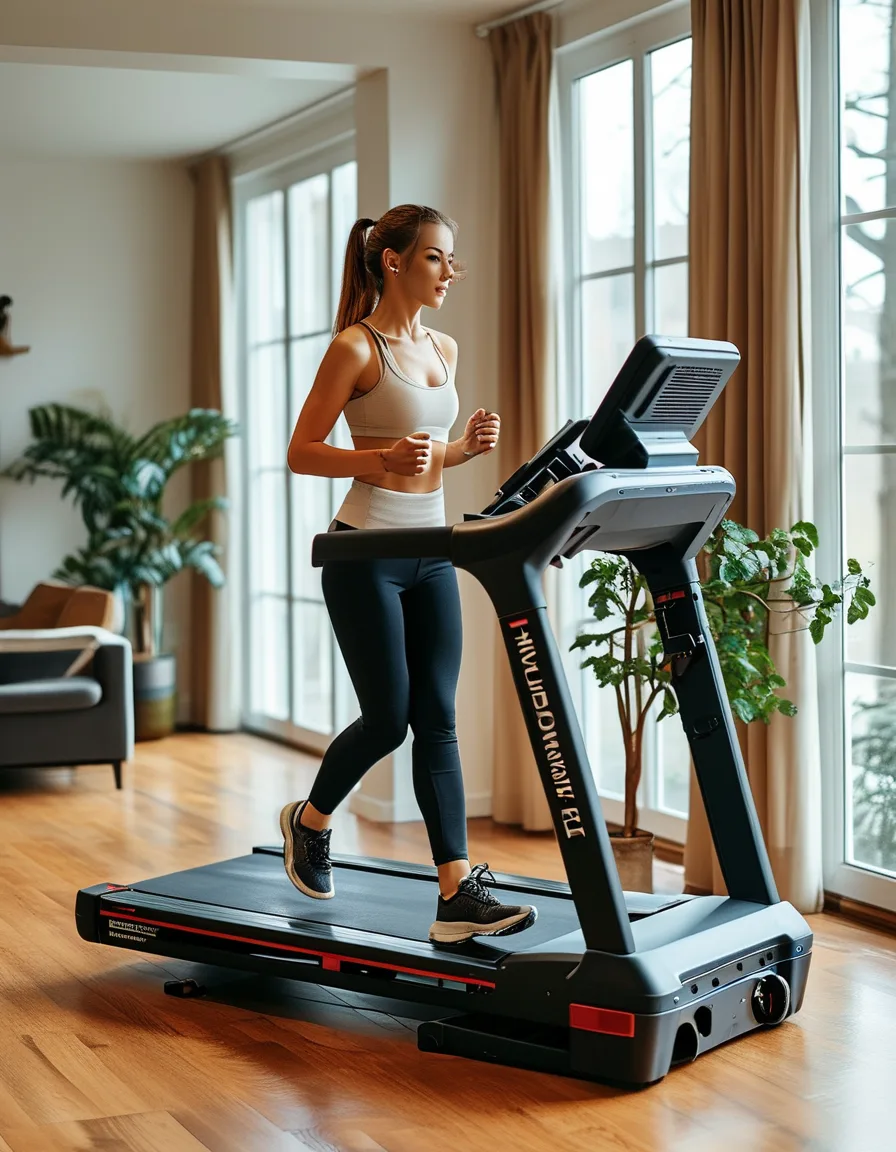
The Decision Framework
Before the specs: the use-case honesty (the walking-only buyer versus the runner — the walking pad from the walkingpad doctrine serving the desk-and-stroll tier; the running demanding the full-frame machine; the use deciding the budget class), the frequency projection (the daily-driver versus the rainy-day backup — the build quality matched to hours per the cost-per-use doctrine), the household audit (the user weights and heights served — the tallest runner’s stride length; the multi-user durability tier), the space reality (the footprint PLUS clearance measured — the folding mechanics assessed honestly: the folded footprint still substantial; the ceiling height at the belt’s deck height per the home-gym doctrine), and the try-before-buying case (the showroom walk-and-run test — the online-buying with generous-return policies per the trial doctrine).
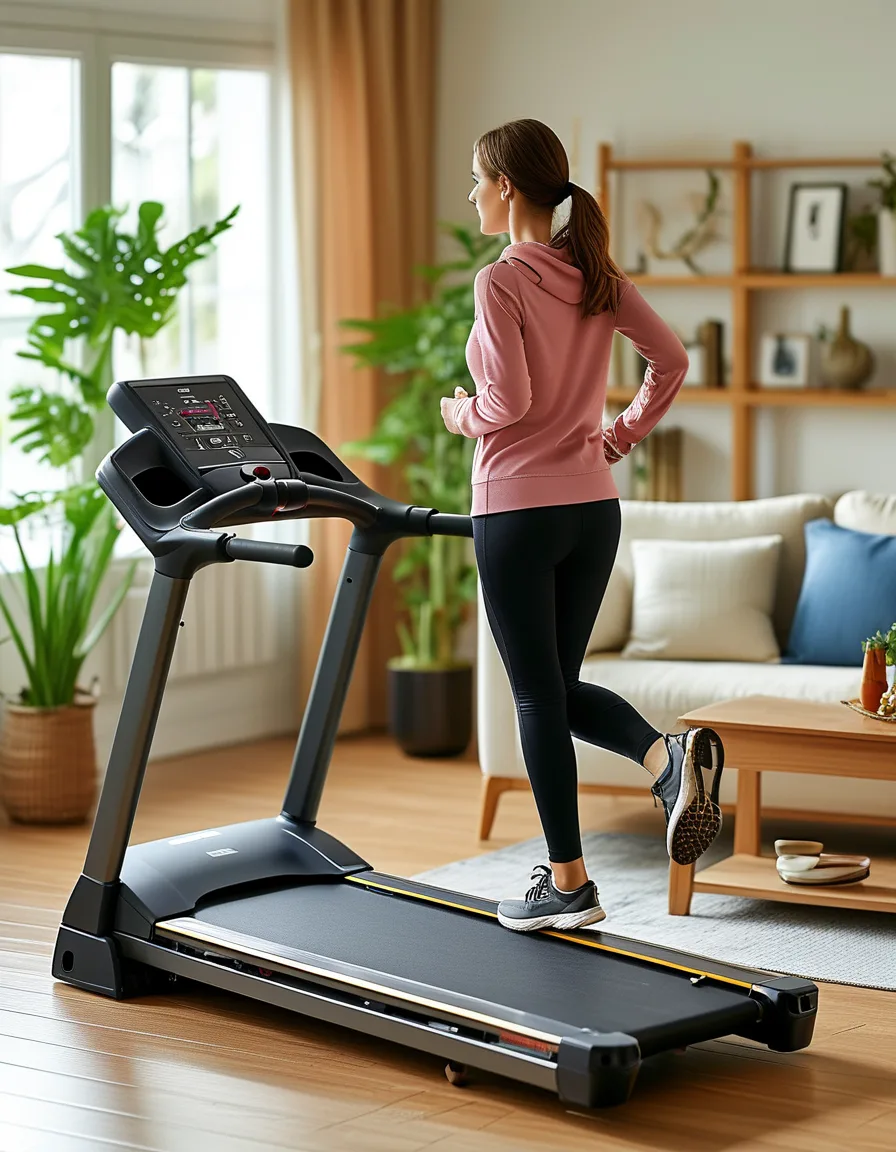
The Spec Decoder
What matters: the motor truth (the continuous-horsepower rating — the 2.5-plus CHP for regular running, the 2.0 serving walkers; the peak-HP marketing ignored per the marketing doctrine), the deck-and-belt specs (the belt length being the runner’s spec — the 140cm-plus for running strides, the taller-runner longer; the deck cushioning claims tested by feel; the belt width comfort), the incline capability (the powered incline being the feature worth paying for from the incline doctrine — the 10-15 percent range; the decline as the bonus tier), the speed range honesty (the top speed mattering less than stability at YOUR paces), the frame-and-weight rating (the max-user-weight with margin per the equipment doctrine — the heavier machine being usually the stabler one), the console right-sizing (the screen-and-subscription extras being optional — the belt-and-motor money prioritized; the tablet-holder plus your own apps serving most per the budget doctrine), and the warranty reading (the motor-and-frame years as the quality signal — the parts-and-labor terms; the warranty being the manufacturer’s own durability bet).
The Ownership Realities
After the purchase: the budget truth (the under-500 tier serving walkers honestly — the 800-1500 sweet spot for regular runners; the premium tier buying commercial durability and cushioning; the used-market gym-grade bargains per the used doctrine), the placement craft (the mat underneath, the level check, the outlet capacity — the apartment vibration diplomacy from the apartment doctrine; the TV-adjacent placement from the boredom doctrine), the maintenance minimum (the belt lubrication on schedule — the belt-tension checks; the vacuum-under rhythm; the neglect being the early-death cause per the maintenance doctrine), the safety notes (the key-clip used, the kids-and-pets protocols — the auto-stop tested per the safety doctrine), the usage systems (the visible-and-ready placement from the environment doctrine — the entertainment pairing from the boredom doctrine; the machine that’s a laundry rack by March being a placement failure), and the closing frame (the treadmill bought on motor-deck-and-incline, placed where life happens, maintained on schedule — the weatherproof cardio that outlasts its excuses; the specs, decoded past the marketing; the belt, worth its corner). CHP over peak, belt length for your stride, powered incline worth it: the treadmill, bought on the sheet that matters.
Buy on three specs: continuous horsepower (2.5+ CHP for running), belt length (140cm+ for running strides) and powered incline — skip the console subscriptions and use your own tablet. Walkers are served fine under $500 or by walking pads; runners live in the $800-1500 tier; and lubricate the belt on schedule or bury it early.
Keep Reading
This article is for general informational and styling purposes only. Fit, sizing, and product availability may vary.